What does single malt and blended whisky really mean?
One of the most common points of confusion in the world of whisky is the distinction between single malt, single cask, blended malt and blended whisky. Contrary to popular belief, single malt doesn't mean whisky from a single barrel. In fact, most single malts are created by combining whiskies from different casks, all produced at the same distillery. Blended malt brings together single malts from different distilleries, while blended Scotch whisky combines both malt and grain whiskies.
Throughout our Whisky Production blog series, we've explored how different techniques and stages of production shape the character of a single malt. But there's one crucial element we've yet to explore: the art of bringing it all together. Beyond the distillation and maturation lies the skill of selecting and balancing individual casks, where the experience, judgement and creativity of the blender play an essential role in creating the final whisky.
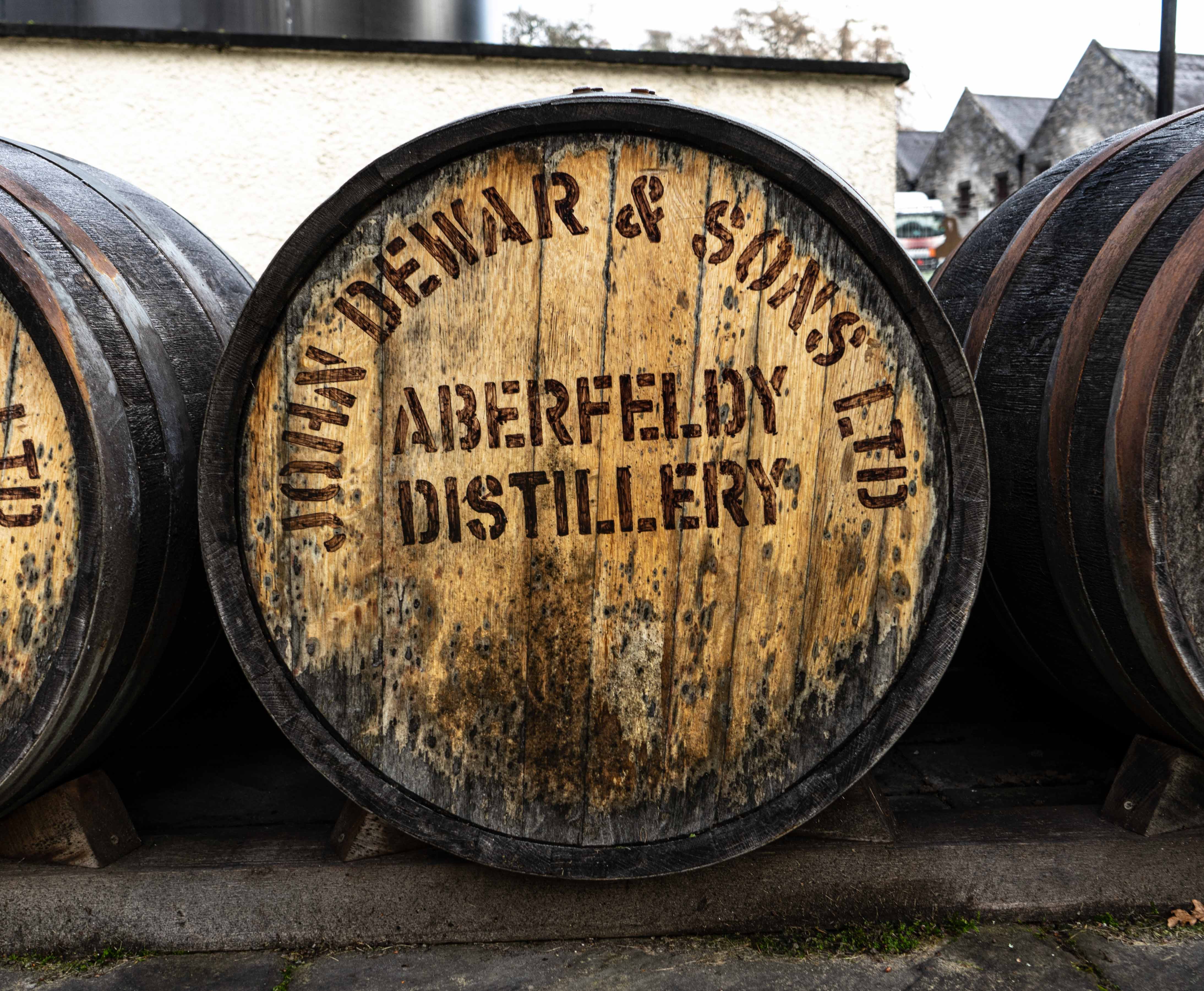
It was this often-overlooked side of whisky-making that came into focus during our visit to Aberfeldy, the second stop on our Scottish Tasting Tour. While many distilleries tell their stories through the landscape, water sources or distinctive production methods that shape their spirit, Aberfeldy's story is inseparable from the history and artistry of blending.
The History of Dewars and Aberfeldy Distillery
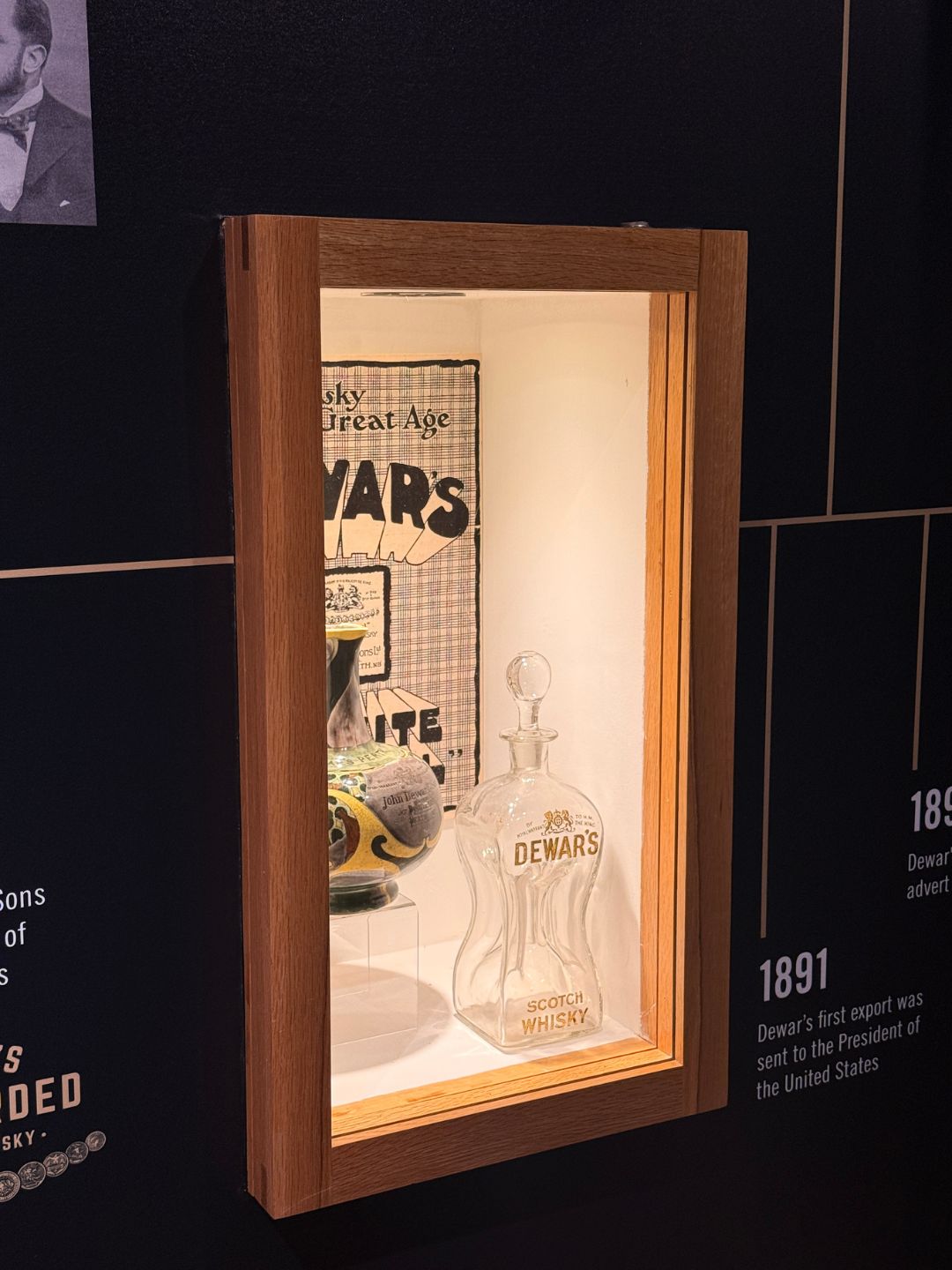
John Dewar began his journey in the whisky industry in 1846, opening a wine and spirits merchant's shop on Perth's High Street. At a time when whisky could vary considerably in quality and consistency, Dewar was among the early pioneers to put his name on the bottle as a guarantee of quality. His business grew across Scotland, but it was his sons, John Alexander and Tommy Dewar, who would take the family name around the world.
The brothers recognised that, with the growing international demand for their blended whisky, securing a consistent supply of high-quality single malt would be essential. They decided to build their own distillery, just a few miles from their father's birthplace, to produce the signature malt at the heart of Dewar's blends.
Inside Aberfeldy: Tradition and the Art of Blending
Designed by renowned distillery architect Charles Doig, Aberfeldy began production in 1898. Drawing its water from the Pitilie Burn, the distillery was built to create a whisky that would bring character, consistency and harmony to the Dewar's blend.
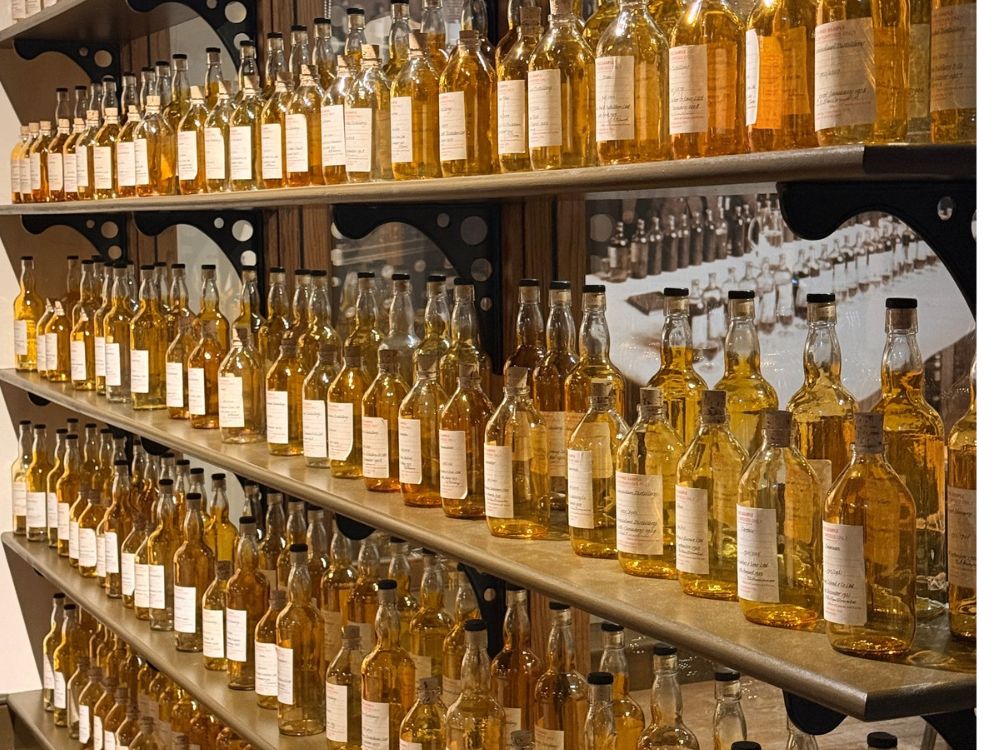
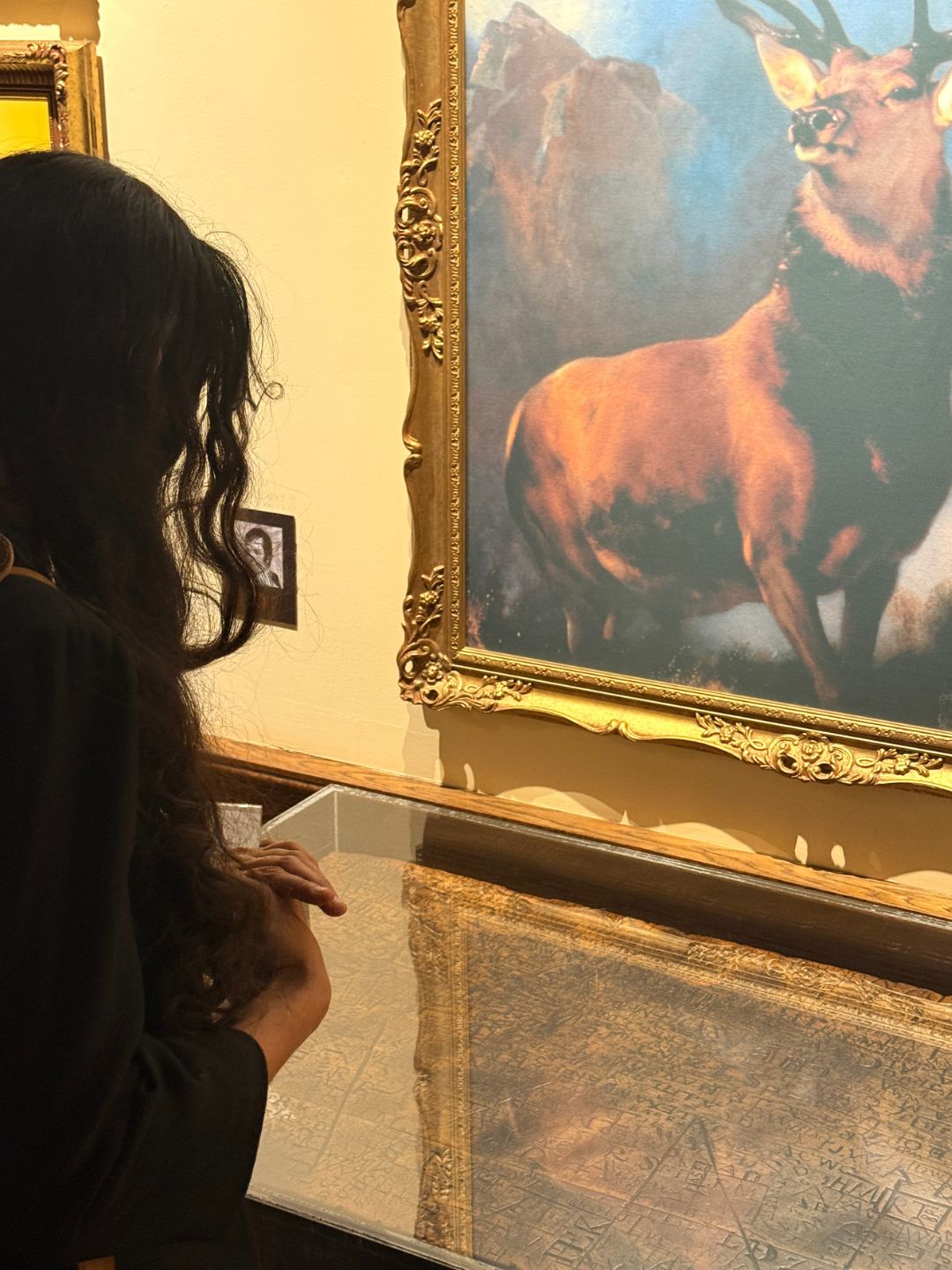
The distillery's museum and cinema experience immerse visitors in the history of the Dewar family and Aberfeldy itself. John Dewar's original notebooks and blending recipes, alongside shelves lined with historic bottles, offer a fascinating glimpse into the complexity, artistry and skill behind the craft of blending whisky.
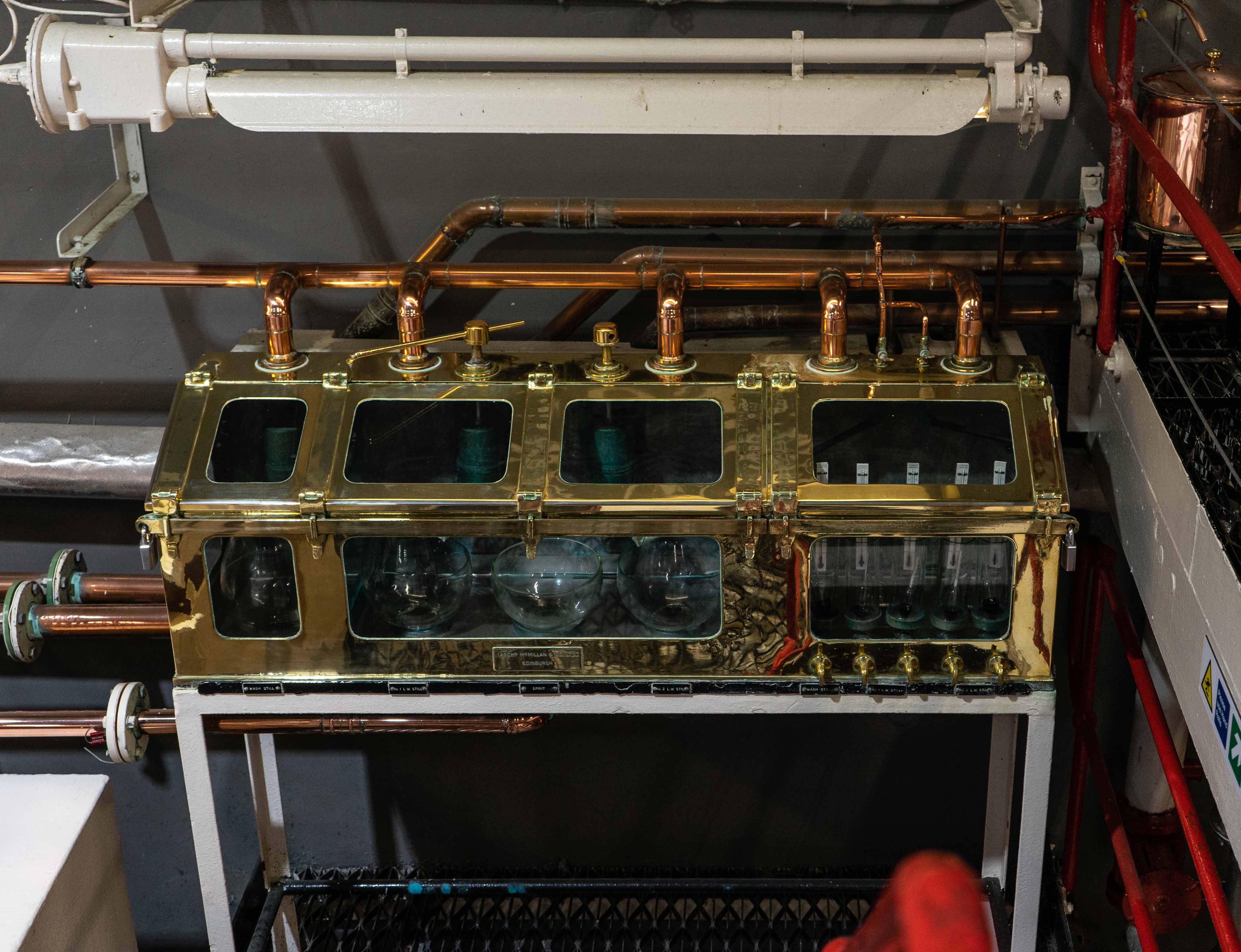
The distillery itself is equally impressive, with its expansive windows, traditional stillhouse and distinctive tall red-brick chimney reflecting its Victorian heritage. Inside, the original Porteus malt mill is still hard at work, a reminder of the traditional methods that remain central to whisky production today.
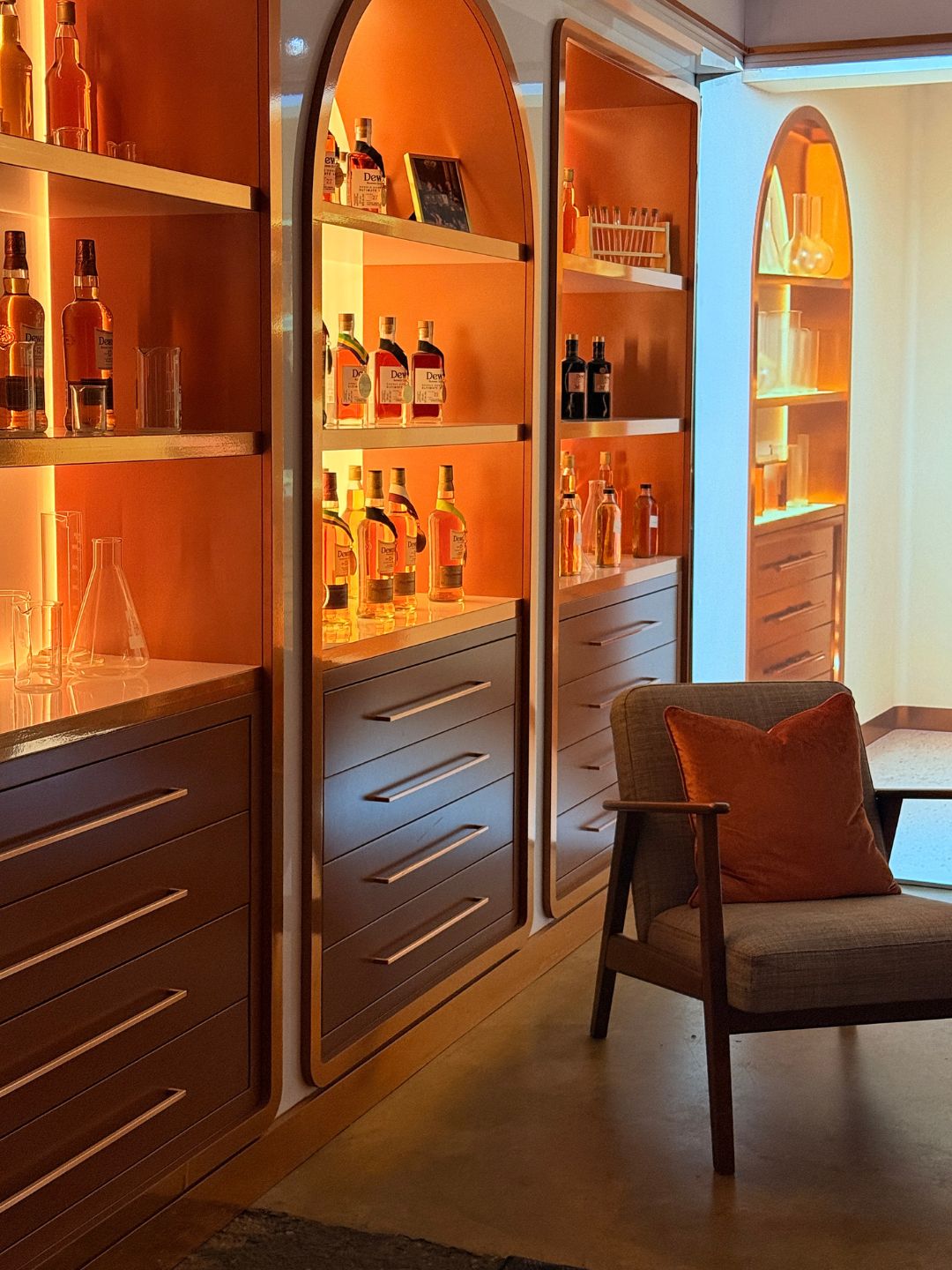
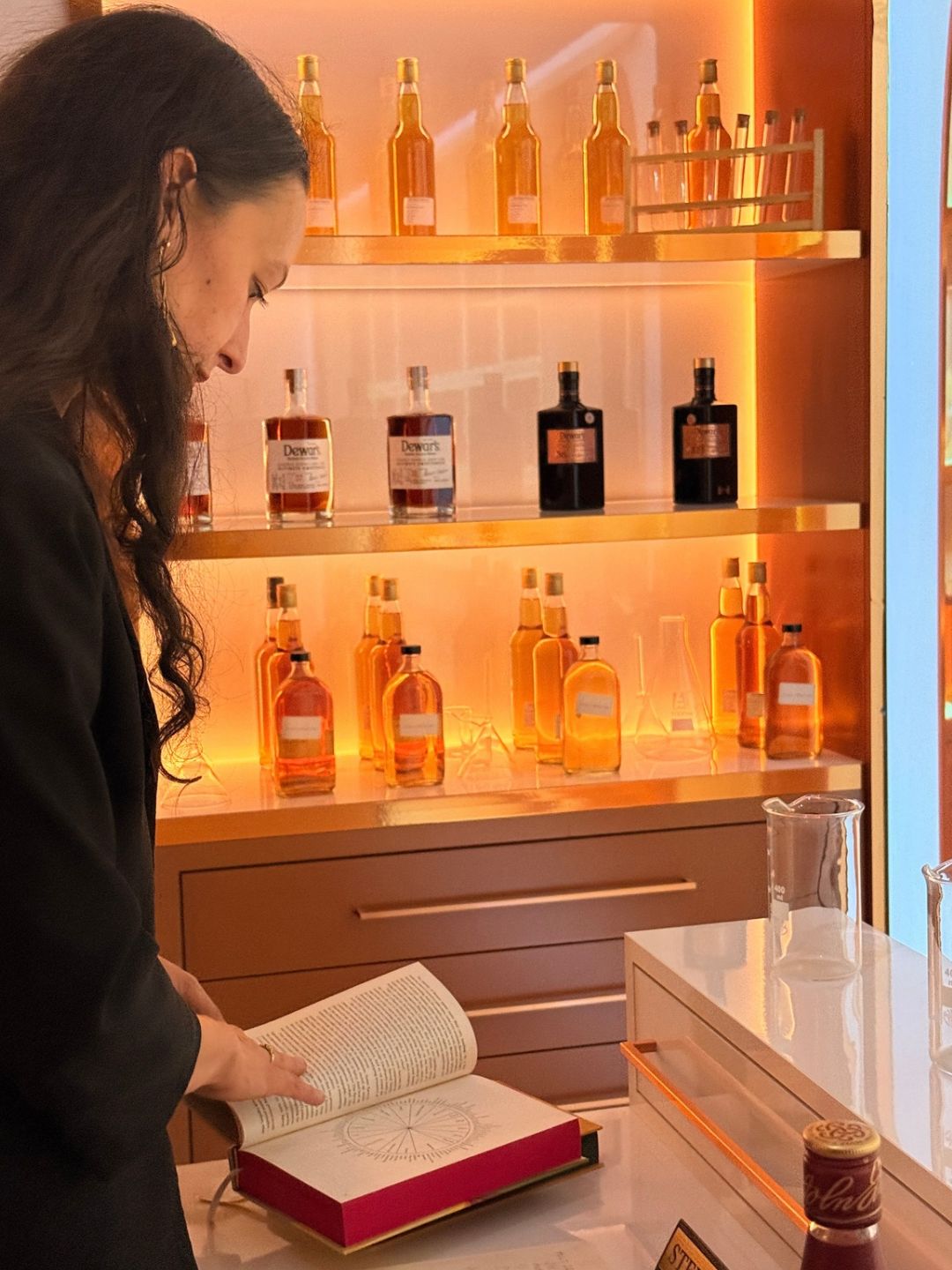
As you move through the distillery, a newly renovated warehouse offers an immersive insight into the art of blending, featuring a projection of Stephanie Macleod, Dewar's acclaimed Malt Master. She explores the intricacies of cask selection and Dewar's famous double-ageing process, in which selected malt and grain whiskies are blended before being returned to oak casks for a further period of maturation. This additional time allows the flavours to marry, creating greater harmony and balance in the final whisky, a technique championed by Dewar's since the early days of the company.
Alongside the projection, flavour wheels, favourite books and other personal touches offer a fascinating glimpse into the creative process behind blending, revealing how individual casks, each with their own distinctive character, can be brought together to create something greater than the sum of their parts.
Single malt vs blended whisky
The distillery visit raised a number of interesting questions, why do we so often regard single malt as inherently superior to blended whisky? Single malt whisky is often celebrated for its individuality, while blended whisky can sometimes be regarded as a lesser category. Yet both rely on an extraordinary level of skill in cask selection, with the final whisky shaped not only by how it was produced, but by the decisions made long after the spirit first entered the barrel.
At Aberfeldy, we found a distillery that challenged this distinction. Rather than treating blending as a secondary process, the experience celebrated it as an art form in its own right.
In a distillery's warehouse you’ll have hundreds, if not thousands of casks showcasing an incredible diversity of different barrels and ages, with size, shape, previous liquid, degree of charring, fill, oak type and unidentifiable factors creating distinctions in each spirit. Blenders will nose, sample and explore this immense diversity to select the casks for each release.
While the blending of single malt whisky focuses on bringing together different casks from one distillery, creating a blended Scotch offers an entirely different palette. Malt whiskies from multiple distilleries, each with their own distinctive character, can be combined with grain whisky to create layers of flavour and balance..
When it comes to taste, much is subjective. The inclusion of grain whisky in a blend undoubtedly influences its character, with different ingredients and production methods, including continuous column distillation, creating a different flavour profile from that of single malt whisky. While these methods can also make grain whisky more economical to produce, that doesn't necessarily make the resulting whisky inferior. Whether you prefer the character of a single malt or the balance and complexity of a blend is ultimately a matter of personal taste. Perhaps that's a question best explored through a blind tasting!
Our Aberfeldy Tasting: The Whisky We Brought Home
At the end of our visit, Craig introduced us to some exceptional single malts, with the releases from Aberfeldy's Exceptional Cask Series particularly standing out. This collection of carefully selected, small-batch whiskies showcases the influence of different casks on Aberfeldy's distinctive house character.
One expression that particularly captured our attention was the Aberfeldy 21 Year Old Pauillac Finish. Retaining the rich, honeyed and fruity character associated with Aberfeldy, the influence of the Pauillac wine cask brings additional layers of dark berries, oak spice and complexity.
It felt like a fitting choice for our Scottish Tasting Tour collection, reflecting both Aberfeldy's heritage and the skill of selecting casks to create something truly distinctive.
Discover this whisky alongside five other exceptional Scottish single malts in our Scottish Tasting Tour blind tasting collection.Delve deeper into the diversity across premium single malt Scotch whisky with our Scottish Tasting Tour blind tasting collection, out now.
Discover Scotland, One Dram at a Time
Six exceptional single malts, hand-selected from Scotland's finest distilleries. Explore their character through our unique blind tasting experience.
Explore the Scottish Tasting Tour