Single malt whisky is one of the most globally admired spirits — renowned for its complexity, rich history and extraordinary variety across Scotland. Scroll down to discover what makes single malt unique, how production and location affect flavour, and find single malt recommendations we think every beginner should try.
Explore Single Malt Whisky Gift Sets
The best way to discover premium single malt Scotch.
Six single malts in a unique blind scotch tasting set. Explore the Regions of Scotland, Six Classic Styles, or our Luxury Single Malt collection.
Shop Single Malt Tasting SetsWhat is single malt whisky?
Single malt whisky is made from malted barley, distilled at a single distillery and matured in a combination of casks from that same site. To be classed as a Scotch single malt, it must be distilled in a traditional pot still and matured for at least three years in an oak cask. Blended whisky combines grain whisky from multiple distilleries; blended malt is a combination of single malts from different distilleries; and single barrel whisky comes from one individual cask.
How is single malt whisky made?
Single malt whisky is a culmination of five core processes: milling, malting, fermentation, distillation and maturation. Made from water, yeast and malted barley, the complexities in flavour derive from subtle differences at every stage. Whilst gin distillers look for a blank canvas to carry botanical flavour, Scotch whisky producers focus on the character of the spirit itself.
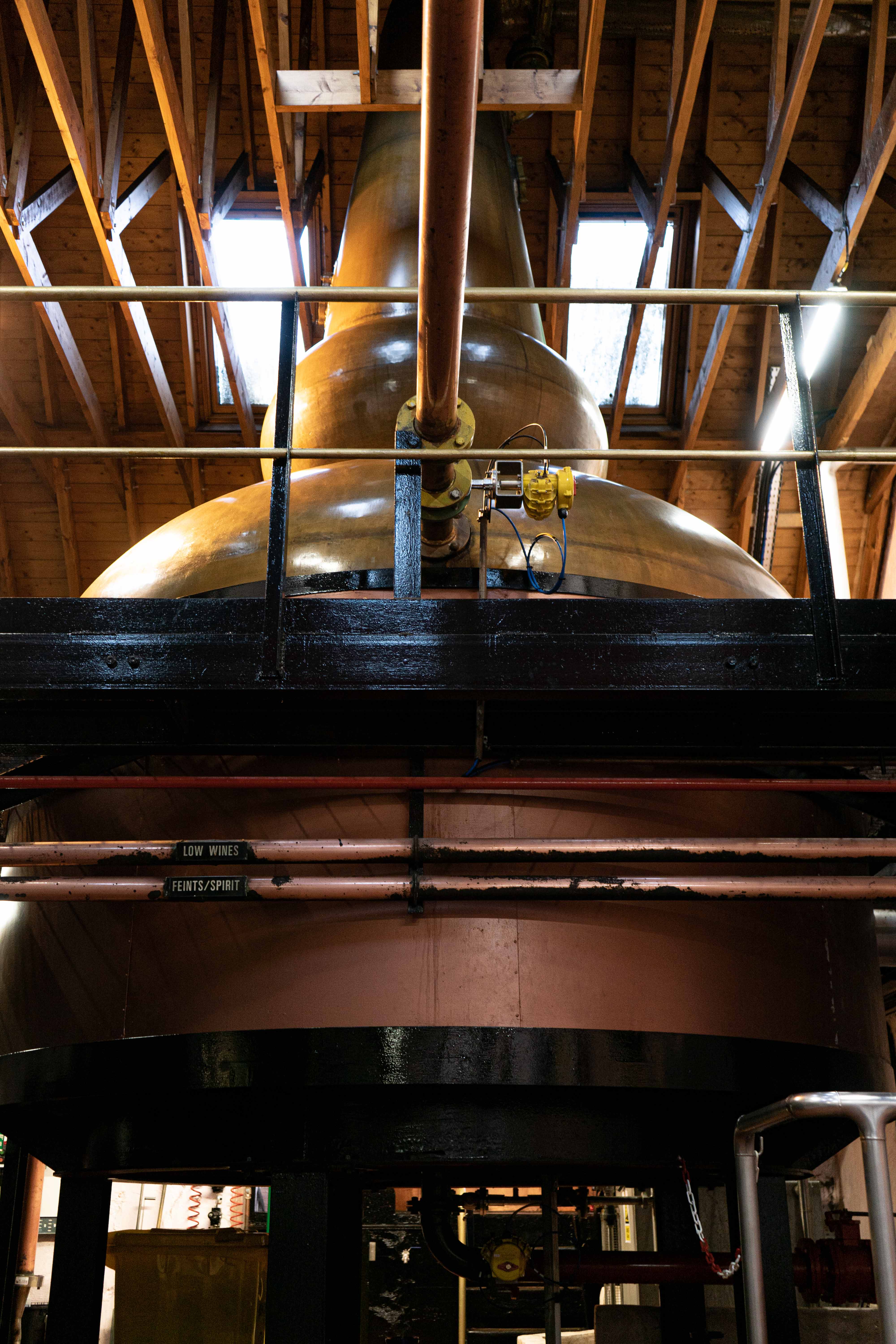
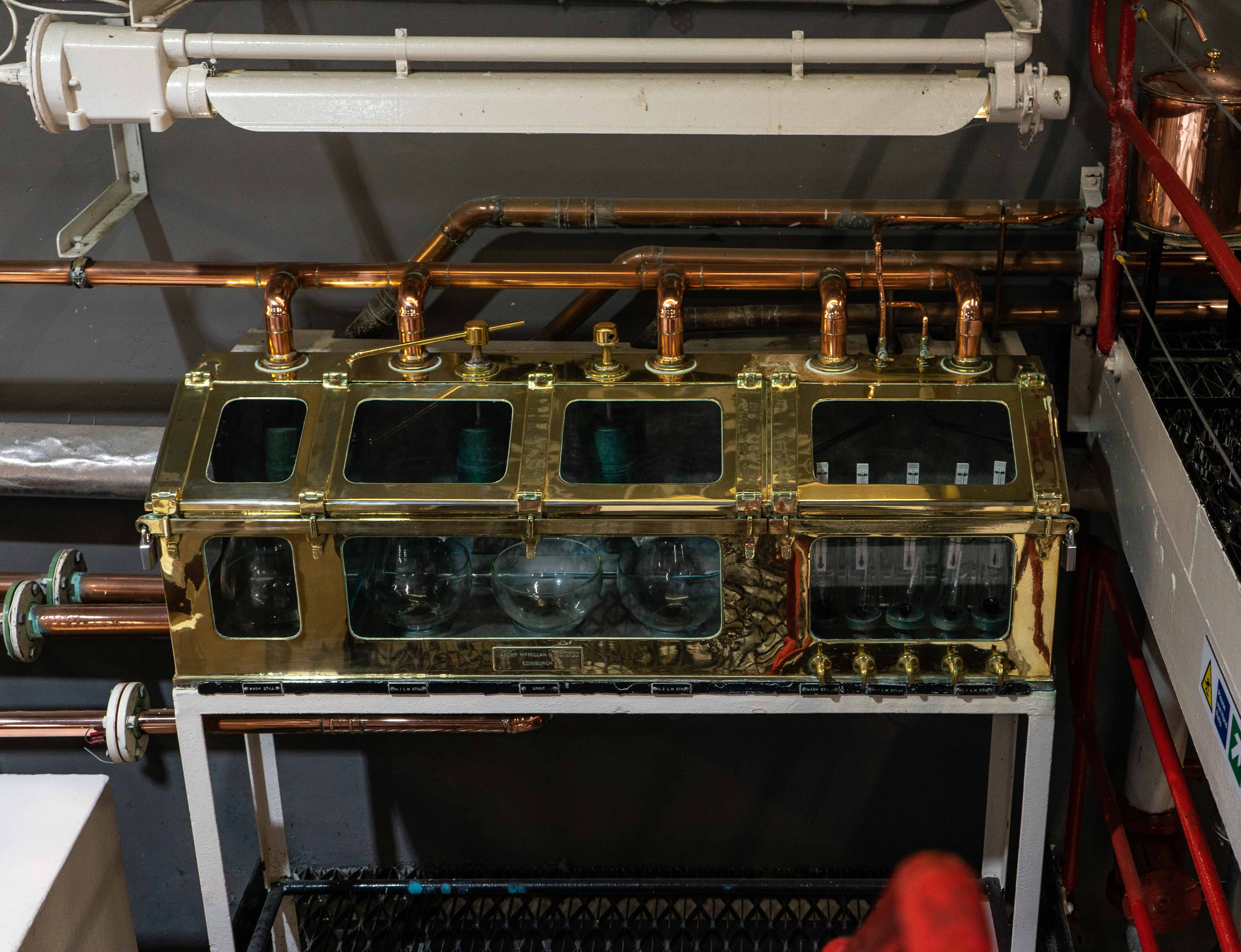
Every part of the process can affect the outcome. During fermentation, microorganisms in wood pores contribute subtle flavour; a longer fermentation increases the formation of esters, which impart fruity notes into the spirit. During distillation, the size and shape of the pot still — even the length of the run — will shape the final character. Increased copper contact removes sulphurs and heavier compounds. Distilleries such as Ardbeg and Lagavulin rely on those heavier flavour compounds to create a big, meaty and complex spirit that balances powerful peat, whereas softer single malts like Glenfiddich, Balvenie and Macallan seek a purer distillate for a cleaner, more palatable character.
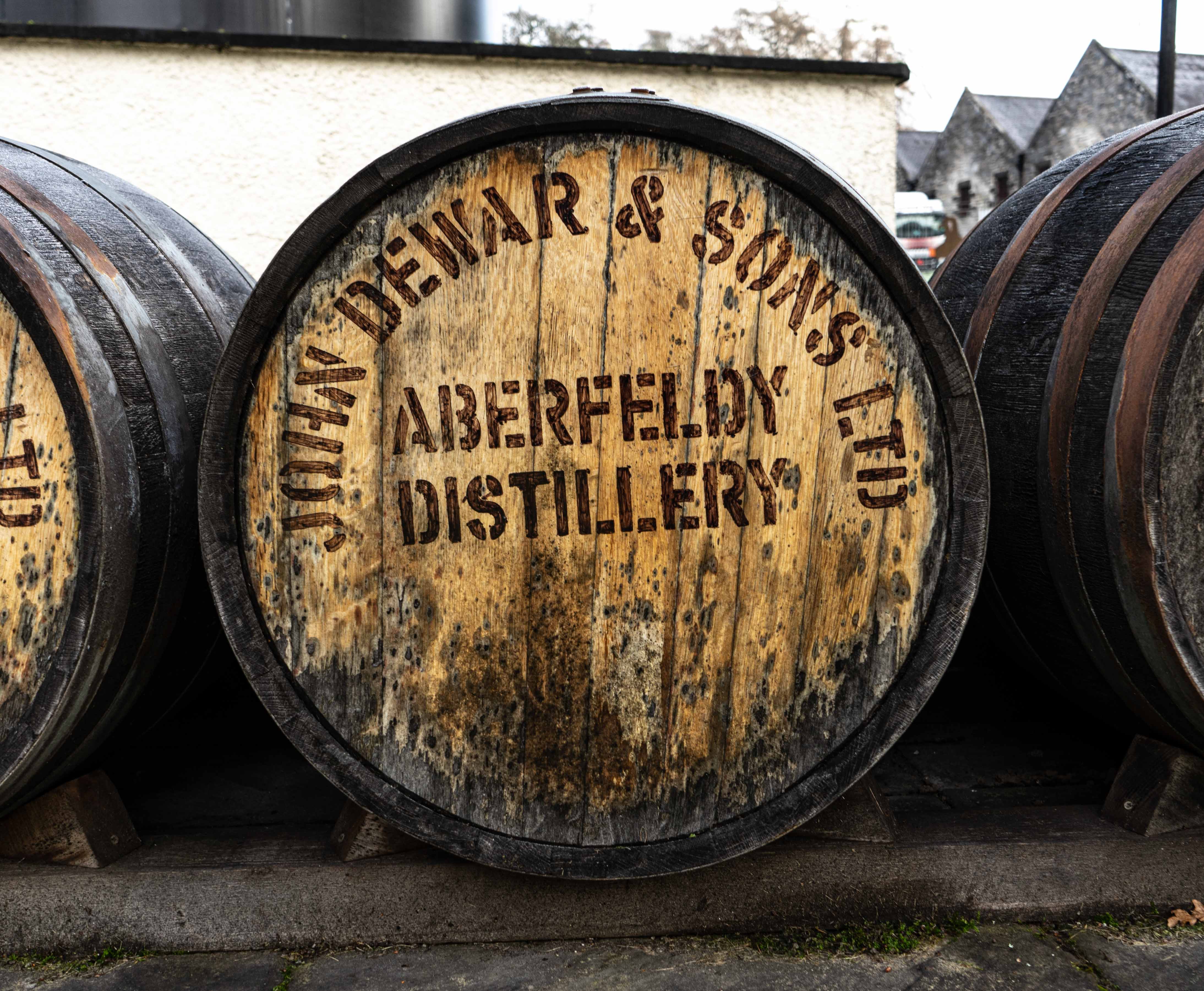
Maturation is where the real transformation happens. Through the interplay of subtractive, additive and interactive maturation, a clear distillate becomes a dark, rich and complex single malt. The type and size of cask, how many times it has been used, its charring or toasting — and even climate — all play a role. Heat accelerates additive maturation, but in hotter climates like India, as much as 10% of spirit can be lost each year to evaporation compared to the 2% lost in Scotland. At Buffalo Trace in Kentucky, barrels are lowered for the final years of maturation to draw out harsher compounds and refine the spirit further.
For a more in-depth exploration of the processes behind single malt whisky, head to our blog.
Why is Scotch single malt whisky so renowned?
Scotch single malt has travelled from farmhouse stills in the Scottish Highlands to major film sets, poetry and countless celebrated works of literature. Its global desirability is unmatched — many distilleries have devoted cult followings, and the spirit is firmly rooted in Scottish culture and history.
The passion for single malt started long ago. After the implementation of malt tax, illicit distilleries in the Highlands began using tiny stills and small casks to conceal their spirit. With prolonged contact between copper and oak, it wasn't long before Highland single malt became known for its superior flavour — even King George IV is said to have adored Glenlivet, which was an illicit distillery at the time.
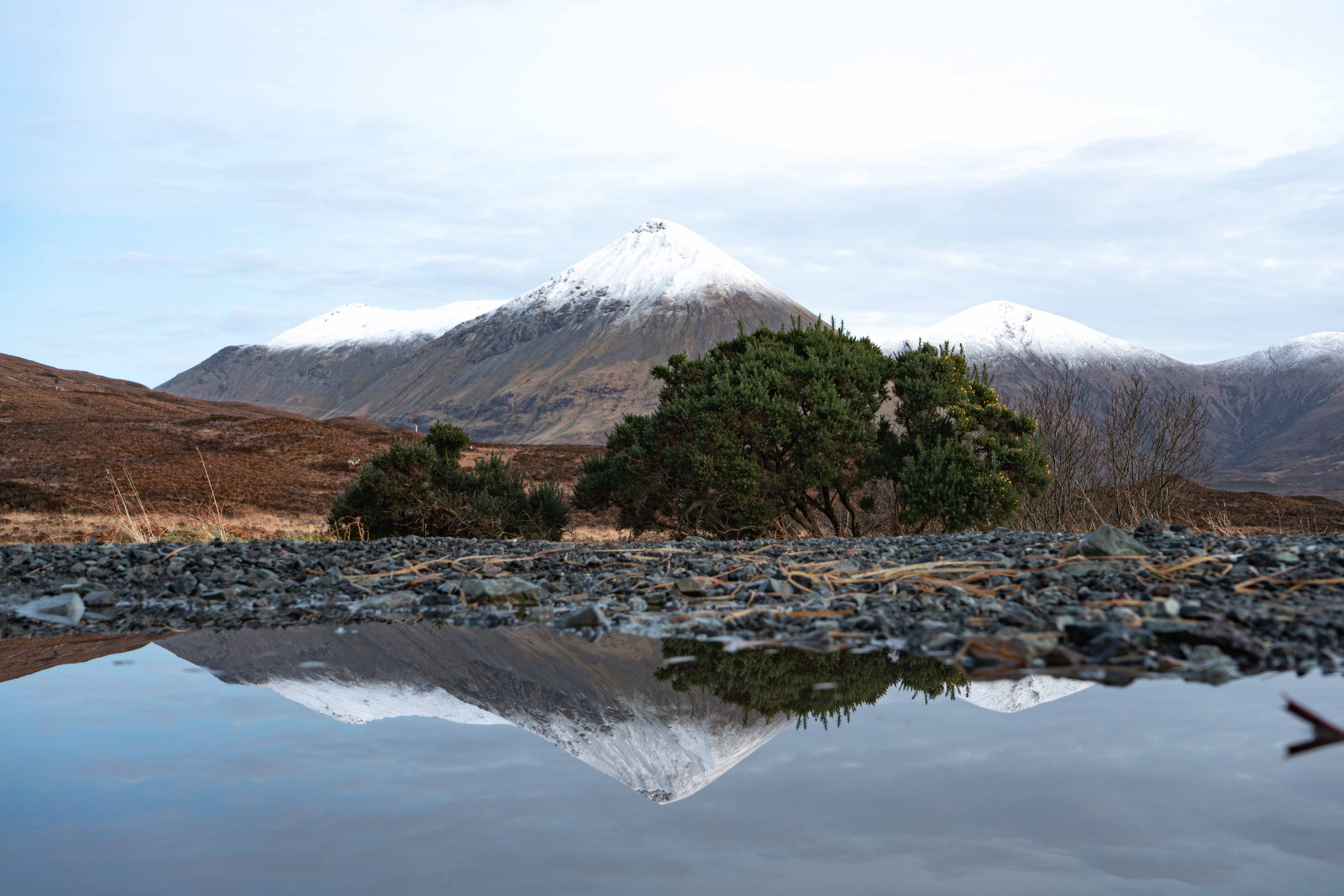
Whilst many countries now produce exceptional whisky, Scotch single malt is loved globally for its distinctive character. Peat grows across the Highlands and Islands and is partly responsible for this — its smoke is more of an experience than a simple taste, atmospheric and grounding, taking you to a fireside inn beside a Scottish loch. Not every distillery uses peat by any means. Lowland single malts such as Auchentoshan and Bladnoch are known for their soft, grassy and approachable characters. Speyside single malts are traditionally associated with sherry influence and smooth palates, shaped by soft water filtered through granite. The Western Highlands and Islands tend toward fuller-bodied expressions, the water running through peat and mineral-rich rock on its way to the still. Ardbeg takes a wide cut of the distillate, welcoming in heavier compounds and powerful flavour; Macallan, in contrast, takes the narrowest and purest cut, creating a cleaner single malt celebrated for its palatable elegance. This diversity of flavour across Scotland is a large part of what makes Scotch single malt so compelling.
The best single malt whiskies for beginners to try
The world of single malt Scotch can feel daunting at first. If a chance dram has sparked your curiosity and you're not sure where to start, you're in luck.
The first single malt Ellie — Azu's founder — fell in love with was Auchentoshan Three Wood. Sometimes nicknamed 'The Breakfast Whisky', Auchentoshan is our top recommendation for anyone new to Scotch. Triple distilled and unpeated, it is soft and approachable; the Three Wood expression matures across American Oak, Oloroso Sherry and Pedro Ximenez casks, resulting in a richer, sweeter profile of oak, chocolate and sweet sherry. It's stocked in most whisky shops, and the American Oak expression features in our Six Styles of Scotch tasting set — an ideal single malt tasting set for beginners. If softer styles appeal, this is our very first recommendation.
If it's smoke, body and big character you're drawn to, look for Caol Ila 12, Lagavulin 16, or Ardbeg Uigeadail. These are powerful, full-flavoured and heavily peated. Along with the Octomore range and Bunnahabhain Moine, these are among Ellie's personal favourites — single malts that linger long after the glass is empty, transporting you to a rugged Scottish island in the first sip. For an interesting comparison, Lagavulin 8 foregrounds the complexity in the spirit itself, while Lagavulin 16 balances that with significant cask influence. Age doesn't always mean better — it's all about what you're looking for in the glass. We have some exceptional peated expressions in stock for our next Limited Edition collection. Email us for bespoke single malt whisky gift sets featuring these drams side by side.
The Luxury Single Malt Whisky Gift
Six extraordinary aged expressions presented blind.
Including Tobermory 24, Bunnahabhain 22 Year Old and Octomore 14.4. Six bottles collectively worth over £1,000 — the definitive single malt whisky gift for a serious connoisseur.
Shop the Luxury Collection